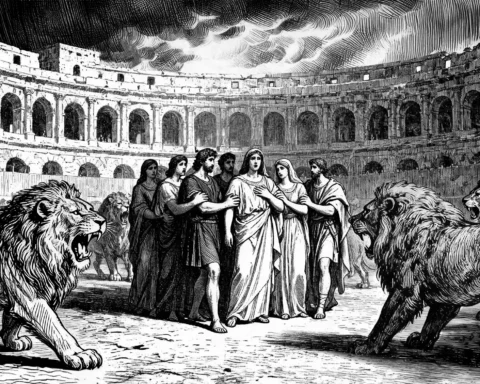
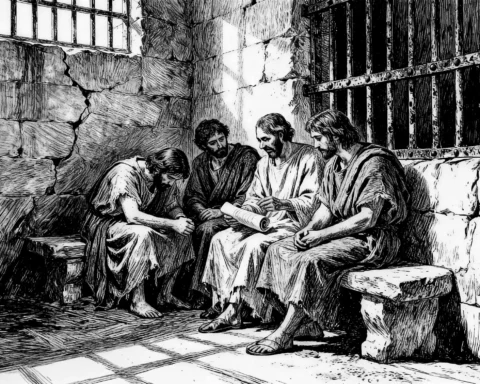
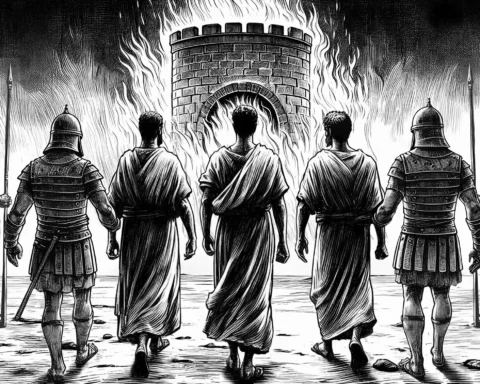
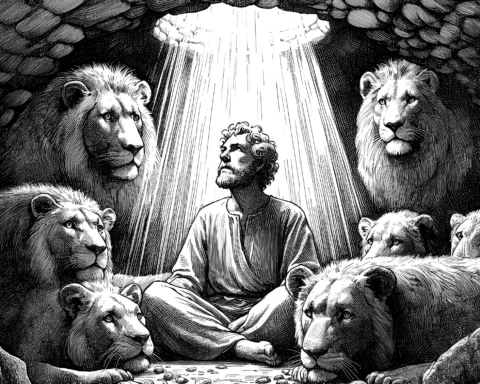
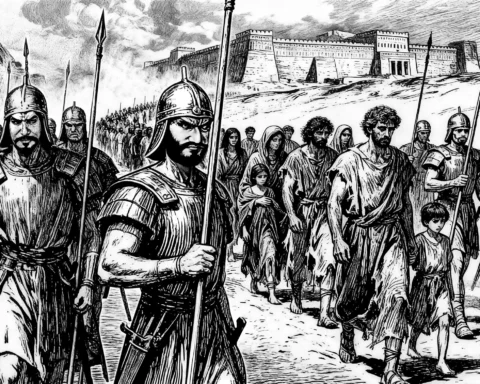
Illustration by Fiki. ©2025 ISI.BIBLE
The Lord is my shepherd,
I shall not want. – Psalm 23
This psalm is a favorite of many Christians, with some having committed it fully to memory.1, 2 Let’s go through it verse by verse and see what we can learn; let us also see what connections we can make from it. This particular psalm is very rich in symbolism, as we shall see. It is a psalm of comfort, rest, protection (safety), provision (abundance even), and assurance.
(Intro) The Lord, the Psalmist’s Shepherd. A Psalm of David.
- Author: King David
- Date: c. 1020–970 BC2a
(V1) The Lord is my shepherd, I shall not want.
The Lord: “The Lord” here is the name of God, which in Hebrew is יהוה. 3 God’s name is also written as “Yahweh,” “Jehovah”/“Jehovah”/“Yehovah” and “Lord” in various English translations (Gen 2:4; Exo 6:2–3).4, 5 God’s name is also given in idiom form as “I AM WHO I AM” or simply “I AM” (Exo 3:13–14; cf. Joh 8:58).6, 7 Therefore, this verse could also have been written as any of the following:
- “YHWH is my shepherd,”
- “Yahweh is my shepherd,”
- “Jehovah is my shepherd,”
- “Yehovah is my shepherd,”
- “I AM is my shepherd,”
- “God is my shepherd,” or using the actual proper name of God,
- “יהוה is my shepherd.”
Is my shepherd: Jesus is described as our “Shepherd”8 (see Mat 2:6; 25:32; 26:31; Mar 14:27; Joh 10:1–16; Heb 13:20; 1Pe 2:25; 5:4; Rev 7:17; cf. Mat 9:36; 25:32; Mar 6:34; 14:27; Psa 80:1; Eze 34:11–16). Since Jesus used this analogy (metaphor) to describe Himself (Joh 10:11, 14), we will spend some time here to fully explore the concept.
The duties of a shepherd consist of the following:
- Look after (care for, tend, watch over) their flock of “sheep” (Mat 9:36; Mar 6:34; Joh 10:16; cf. Mat 10:6; 18:11; 25:32–33; Luk 15:6; 19:10; Joh 10:11, 16, 26–27; 21:16–17; Psa 100:3; Isa 40:11; Eze 34:11–16; Jer 23:1–4),
- Protect their flock from predators such as “wolves” (see Mat 7:15; 10:16; Luk 10:3; Joh 10:12; Act 20:28–31), “vipers” (Mat 3:7; 12:34; 23:33; Luk 3:7; Psa 140:1–5), and modern-day “Pharisees” (Mat 5:20; 15:1–9; 16:6, 11–12; 23:1–36; Mar 8:15; Luk 11:39–44; 12:1; 18:11; Joh 12:42; cf. Mat 26:59; Luk 6:39; 22:2; Joh 8:44; Rom 10:1–4; 16:18; Php 3:2; Rev 2:9; 3:9; Ecc 1:9)—understand that Satan is a predator (Joh 10:10; 2Ti 2:26; 1Pe 5:8; Rev 12:4, 9–13; 20:7–10; cf. Gen 3:1–5, 15; Mat 13:19; 2Co 2:11; 11:14; Luk 22:31; Eph 6:11–12; Job 1:6–12),
- Keep them safe from the dangers that lurk in the “darkness” and the “night” (see Mat 6:23; 25:30; Luk 2:8; 11:34; Act 26:18; Joh 1:5; 3:19; 8:12; 12:35, 46; Rom 2:19; 13:12; 1Co 4:5; 2Co 6:14; Eph 4:18; 5:8, 11; 6:12; Col 1:13; 1Th 5:1–11; 1Pe 2:9; 2Pe 2:4, 17; 1Jn 1:6; 2:8–11; cf. Mat 8:12; 10:16; 22:13; Luk 10:3; Act 20:28; Jud 13; Psa 91:11–12; 112:4; 139:12; Pro 4:19; Job 12:22; Dan 2:22),9, 10
- Stay alert and vigilant as a “guard” and “watchman” for any signs of danger (see Luk 4:10; Act 20:28; Php 4:7; 1Ti 6:20; 2Ti 1:12, 14; Heb 13:17; Psa 91:11; Eze 3:17; 33:1–9; Isa 21:11–12; 62:6; Neh 4:9; Jer 6:17; cf. Luk 12:15; 21:34; Psa 127:1; Hos 9:8; 1Co 16:13; 1Pe 5:8; 2Pe 3:17; 1Jn 5:21),
- Guide them toward:
- Food (Mat 6:11, 25–34; 14:13–21; Luk 9:10–17; 11:3; Joh 6:1–15; Act 14:17; 2Co 9:10–11; Php 4:19; Gen 1:29; 9:3; Psa 78:23–25; 136:25; Isa 55:10; cf. Mat 25:35; Rom 12:20; Exo 16:1–36; Num 11:7; Deu 8:3; 28:1–68; Neh 9:15)—also spiritual food [sustenance] 11 (Mat 4:4; 5:6; 26:26–27; Luk 22:19–20; Joh 6:26–58; 1Co 3:2; 10:16–17; 11:24–26; 1Ti 4:6; Heb 5:11–14; 1Pe 2:2; Psa 23:5; 34:8; 63:1–5; 107:9; Pro 10:3; cf. Act 17:11; Psa 1:2; 119:11, 33–35, 105, 160; Joh 5:39–40; Rom 15:4; Col 3:16; 2Ti 2:15; 3:16–17; Heb 4:12–13; 6:1–2; 2Pe 3:18; Deu 8:3; Jer 31:25; Rev 2:17; 7:16–17),
- Drink (“water,” “thirsty”) (see Mat 5:45; 6:25–34; Act 14:17; Php 4:19; Job 5:10; Psa 78:15–16, 23–25; 105:41; 147:8; Isa 55:1–2, 10; cf. Rom 12:20; Gen 2:6; Exo 17:6; Num 20:8–11; Deu 8:15; Neh 9:15)—also spiritual thirst (Mat 5:6; 26:26–27; Luk 22:19–20; Joh 4:7–15; 6:26–58; 7:37; 1Co 3:2; 10:16–17; 11:24–26; 1Ti 4:6; Heb 5:11–14; 1Pe 2:2; Rev 7:16–17; 22:1–4, 17; Psa 23:5; 34:8; 42:1; 63:1–5; 107:9; cf. Jer 31:25),11a and
- Shelter (shade during the heat of the day, a safe enclosure at night, and so on; Psa 5:11; 18:2, 30; 27:1, 5; 31:20; 41:1; 46:1; 56:3–4; 61:2–4; 62:8; 91:1–4; 144:2; cf. Rom 12:13; Act 4:35)—also spiritual refuge (Psa 5:11; 18:2, 10, 30; 27:1; 46:1; 61:2–4; 62:8; 91:1–4, 9–14; 119:114; 144:2; Pro 14:26, 32; 18:10; 30:5; Heb 6:18; 2Sa 22:3; Isa 26:4).11b
- Care for them when they are sick (Mat 4:23; 8:16–17; 9:6–8, 35; 12:15; Mar 5:34; 8:22–26; Luk 4:18, 40; 6:19; 8:48; Joh 4:46–54; 5:8–9; 11:38–44; Act 10:38; 19:11–12; Jas 5:14–15; Rev 21:4; 22:1–4, 17; Psa 103:2–3; 147:3; Pro 4:20–22; cf. Exo 15:26; Isa 25:8; 40:31; Hos 6:1–2; Mal 4:2)—including spiritual sickness (i.e., sin)12 (Gen 2:16–17; 3:22–24; Mat 5:4; 8:16–17; 9:6–8, 12; Mar 2:17; Luk 4:18; 5:31; Act 10:38; 1Pe 2:24; 3:18; 1Co 15:22; Eph 2:5; Col 2:13; Rev 22:1–4, 11, 17; Psa 23:3; 103:2–3; 147:3; Pro 4:20–22; Isa 1:18; 25:8; 40:31; 53:4–5; 61:1; Hos 6:1–2; Mal 4:2; Pro 4:20–22; Isa 25:8; contrast with Mar 7:20–23; 15:11–20; Mar 7:15–23; Rom 1:20–32; 2Ti 3:1–4; 1Pe 4:1–5; Rev 17:4–5; 22:11),
- “Lead” and “guide” their flock to safety13 (see Luk 1:79; Joh 10:3–4; 16:13; 2Co 2:14; Rev 7:17; Psa 23:3; 25:5; 27:11; 31:3; 48:14; 73:24; 107:30; 139:10; Pro 19:23; Exo 15:13; Isa 40:11; 58:11; cf. Joh 10:27–29; Heb 13:17; Psa 32:8; 34:8; 37:23; 91; 119:35, 105; 121:7–8; Pro 3:5–6; 12:26; 19:23; Eze 34:11–16; Jer 29:11; contrast with Pro 12:15; 14:12; 16:25; 21:2; 26:12; 30:12; Psa 1:4–6; 7:9; 9:5–6; 11:6; 34:16; 37:1, 7, 9–10, 20, 35–36, 38; 73:3–12, 17–19; 92:7; 112:10; 145:20; Jer 12:1; Mal 3:15; Mat 7:21; Luk 13:24; Rom 6:21; 1Co 6:9–10; Gal 5:19–21; Eph 3:5–6; 5:6; Col 3:6; 2Th 2:10–12; Jas 1:22; Rev 9:20–21; 17:1–6; 20:15; 21:8, 27; 22:11, 15), and
- Risk of their own lives at times in performance of the above as and if necessary (Joh 10:11–15). The shepherd will often go to great lengths to chase after stray sheep to make sure that not even one gets lost or hurt (Mat 18:12–14; Luk 15:4–7; cf. Eze 34:11–16)—the needs of the sheep must come before the needs of the shepherd.14
It’s interesting to note the prominent men in the Bible who were shepherds:15
- Abel (Gen 4:2),
- Abraham (Gen 13:2),
- Lot (Gen 13:5),
- Isaac (Gen 26:12–14),
- Jacob (Gen 30:31–36),
- Moses (Exo 3:1),
- King David (1Sa 16:11; Psa 78:70–71), and
- Amos (Amo 1:1).
Regarding the flock. Note that sheep are pretty dumb animals, in large part. They also exhibit a strong herding instinct. Do you follow the herd, which is chasing after the world, or Christ (Rom 12:2; 1Jn 1:6; 2:15–17; Jas 4:4; Gal 1:10; Joh 15:18–19; Col 2:8; Mat 6:24; 7:13–14; Luk 16:13; Act 5:29; 2Co 6:14–17; Php 3:18–19; Rev 18:4; cf. Act 15:14; Tit 2:14; 1Pe 2:9)? Scripture equates people with sheep in many places so any time we get puffed up, arrogant, or proud, let us look back to that analogy and be humbled (Rom 3:10, 23; 7:18; 12:3, 16; Pro 16:2, 18).16
Sheep are also apt to:
- “Wander” (see Zec 10:2; Gen 20:13–14; Exo 23:4; Psa 55:7; 56:8; 107:4, 40; 119:10, 21, 118; Pro 21:16; 27:8; Isa 35:8; Jer 50:3; Lam 3:19; 4:14–15; Eze 34:6; Hos 9:17; Joe 1:18; Zec 10:2; 1Ti 6:10; Heb 11:38; cf. Gen 4:12–14; Num 32:13; Deu 2:7; 2Ki 21:8; Jud 13),
- Go “astray” (see Psa 58:3; 119:67, 110, 176; Pro 5:23; 10:17; 12:26; 14:22; 28:10; Isa 3:12; 9:16; 53:6; Jer 50:6; Mat 18:12–13; Mar 13:22; 1Co 12:2; 2Co 11:3; 1Ti 6:21; 2Ti 2:18; Heb 3:10; 1Pe 2:25; 2Pe 2:15; Rev 2:20; cf. Mat 26:31; Luk 15:11–32),
- Get “lost” (Mat 10:6; 15:24; 18:11; Luke 15:1–10; 19:10; Psa 119:176; Son 4:2; 6:6; Jer 50:6; Eze 34:16; cf. Joh 18:9; Ecc 3:6; Jer 23:1–4), and
- Become “scattered” (see Gen 11:4–9; 49:7; Eze 34:11–16; Psa 18:14; 44:11; 59:11; 68:1, 14, 30; 89:10; 92:9; 106:27; 141:7; 144:6; Isa 16:2; 24:1; 27:13; 30:22; Jer 9:16; 10:21; 13:24; 18:17; 23:1–4; 24:9; 30:11; Nah 3:18; Zec 1:21; 7:14; 10:9; 11:16; 13:7; Mat 12:30; 21:44; 26:31; Mar 14:27; Luk 1:51; 11:23; 20:18; Joh 10:11–15, 52; 16:32; Act 8:1–4; 11:19; 1Pe 1:1; cf. Pro 11:24).
The Shepherd’s true flock are all17 the sheep that (who) hear, respond to, and follow the Shepherd’s voice and instructions in truth and obedience (Joh 4:23–24; 10:1–5, 14, 27; 14:15, 21; Psa 100:3; cf. Joh 3:16–17; 10:11–15; Psa 145:18), and who remain with Him thereafter.18 Note also that the Shepherd owns the sheep (Gen 1:27; 2:7; Psa 24:1; 1Co 10:26; Isa 45:12), and we have been bought and paid for (“purchased” for a “price,” “redeemed”) by the blood of Christ (Act 20:28; Rev 5:9; 14:3–4; cf. Rom 3:25; 1Co 6:20; 7:23; Eph 2:13; Heb 2:17; 1Pe 1:17–19; 1Jn 4:10; Job 19:25; Psa 19:14; 78:35; Isa 41:14).
Additionally, sheep are almost totally defenseless and helpless and thus fully rely on the shepherd’s protection (Mat 9:36; cf. Jer 23:1–4). We are likewise helpless against the “spiritual forces of darkness and wickedness [evil]” (paraphrase; Eph 6:12), so we must be very careful to “abide in Christ”19 (see Joh 15:4–10) at all times while also “putting on the full armor of God” (see Eph 6:10–17; cf. Rom 13:12; Jud 9; 1Pe 5:8). Furthermore, we must “beware the wolves” (paraphrase; see Mat 7:15; 10:16; Luk 10:3; Act 20:28–31) that (who) try to destroy us and lead us astray.20
Lastly, note also that sheep are lowly, meek (humble21), inoffensive, quiet, and docile creatures—even before the “shearer” (see Isa 53:7; Mat 27:12–14; Luk 23:8–9; Act 8:32) and the butcher (Mat 10:16; Rom 8:36; 14:7–8; Psa 44:22). Jesus, “the Lamb of God” (Joh 1:29, 36; cf. Rev 5:6; 6:9; 7:17; 14:4, 10; 19:9; 21:23; 22:1–3), also displayed these characteristics. Let us do likewise by “imitating” Him and following His “example” (see Joh 13:15; 1Co 11:1; 4:16; 1Th 1:7; 1Ti 1:16; 4:12; Tit 2:7; 1Pe 2:21; 5:3; cf. Mat 5:13–16; 10:38; 2Co 5:20; Eph 5:1–2; 6:20; Rom 2:19; Php 1:27; 2:15; 3:17; 1Th 1:6; 2Th 3:9; Heb 6:12; 12:1; 1Jn 2:6).
I shall not want [be in need, NASB2020; lack, YLT]: The Lord, who owns all things (Psa 24:1; 50:10; 1Co 10:26; cf. 1Co 15:28), is happy to share with, provide, and care for His sheep (Jas 1:17; Psa 34:9). Scripture tells us that we will not be lacking in essentials and that Jesus will “abundantly” provide for our needs (see Joh 10:10; Eph 3:10; Isa 55:1–2; cf. “my cup overflows,” see below). Surely a connection can be made here to Jesus feeding the multitudes (Mat 14:13–21; 15:32–39; Mar 6:30–44; 8:1–10; Luk 9:10–17; Joh 6:1–14). Note that this lack of wanting applies spiritually as well as materially (i.e., Jesus will satisfy your desires as a Christian; Psa 37:4; 21:1–2; 104:24; 145:19; Job 27:10; Son 2:3; Isa 58:14; cf. Joh 15:7, 16; 1Jn 5:14–15).22
Therefore, a part of “not wanting” is “seeking the things above, where Christ is [in heaven], seated at the right hand of God. Set your mind on the things above, not on the things that are on earth. For you have died and your life is hidden with Christ in God” (Col 3:1–9; cf. Php 4:8; Gal 6:7–8; Jas 4:4; Rom 14:10–12; 2Co 4:18; Rev 2:23; 20:12–13; 22:12). It is written that “our citizenship is in heaven, from which also we eagerly wait for a Savior, the Lord Jesus Christ” (Php 3:20). You should see that you have new desires, not for the lusts, fame, fortune, and power “of this world”23 (see Mat 4:8; 13:22; Mar 4:19; Luk 4:5; 12:30; Joh 3:31; 8:23; 12:25; 15:19; Act 4:26; 1Co 1:20, 27–28; 2:12; 3:19; 5:10; 7:33–34; 2Co 4:4; 7:10; Gal 4:3; Eph 2:2; 1Jn 2:15–17; 2Pe 2:20; Rev 6:15; 13:11; 17:2, 5; 18:3–11, 23; 19:19; cf. Mat 6:19–21, 24; 16:24–26; 18:7; 19:16–24; Mar 8:34; Luk 8:4–8; 9:23; 14:26–27; Joh 12:31; 13:1; 14:30; 16:11; 17:6, 14–16; 18:36; Rom 12:2; Col 3:1–2; Php 3:19–20; 1Ti 6:9–10; 2Ti 4:10; Gen 19:26) but for “the things above” (Col 3:1–2) and the things “of Christ” (Mar 9:41; Rom 1:1; 10:17; 15:16, 29; 1Co 2:16; 6:15; 11:1; cf. 2Ti 4:10; Mat 6:19–21, 24), as He promises to “give you the desires of your heart” (Psa 37:3–6; cf. 2Ti 3:12; 2Th 1:11; Heb 11:16; 1Pe 3:10). For example, you should now desire “to be found by Him in peace, spotless and blameless” (2Pe 3:14; cf. Eph 1:4; 5:27; Col 1:22; Act 24:16; 1Co 1:8; Php 1:10; 2:15; 1Th 5:23; Jud 24; Rev 14:5) more than you desire (and lust after) the things of “this present world” (2Ti 4:10; cf. Tit 2:12; 2Pe 2:10, 18). It is an amazing transition to watch happen in oneself. In summary, our physical and spiritual essentials will be provided for, and God will not “withhold anything good” [paraphrase] from us (see Psa 84:11; cf. Jas 1:17; 1:5; Mat 6:11; 7:7–11; 21:21–22; Luk 11:1–13; Joh 14:12–14; 15:16; Rom 8:32; Php 1:6; 4:19; Col 1:28; Psa 34:10). So let us be thankful and satisfied with what the Lord does provide us, knowing that it will fulfill us and also be sufficient, as it is written after Jesus fed the multitudes, “they all ate and were satisfied” (Mat 14:20).
Therefore, we need not (must not) be “anxious,” “worried,” or “troubled” about such (see Mat 6:25–34; Luk 12:25–26; 21:34; Joh 14:1, 27; Php 4:6–7; 1Pe 5:7; Isa 41:10; cf. Psa 55:22; Jos 1:9).24 We must, however, wisely differentiate between our needs versus our wants, although that is sometimes hard to do.25, 26 So let us “trust in the Lord” (Pro 3:5–6; Psa 4:5; 31:5–6; 37:3–7; 40:3; 115:9–11; 125:1; cf. Luk 23:46; Rom 4:18–22; 2Co 1:9; 4:13–14; Eph 1:13; Php 1:6, 14; 2:24; 1Ti 1:15; 2Ti 2:11; Heb 12:2; 1Pe 2:23; 4:19; Psa 31:5; 56:3, 11; 62:8; 91:2; 143:8; 146:3–5; Pro 22:19; Isa 55:9; Jer 17:7–8) while also “learning to be content” with what the Lord has given us, as the apostle Paul was (see Php 4:10–13; 1Ti 6:6–10; Heb 13:5; cf. 2Co 12:10; Luk 12:15–21; Eph 5:3; Col 3:5; Rom 1:29).27
Yes, our Shepherd is God Almighty, the “Lord God of Hosts” (see 2Sa 5:10; Psa 59:5; 80:19; 89:8; Isa 1:24; 3:1, 15; 10:24; Amo 9:5; cf. 1Sa 1:3, 11; 4:4; 2Sa 5:10; Psa 24:10; 46:7; 48:8; 84:1–3; Isa 1:9; 5:7; 44:6; Jer 31:35; Mal 4:1) and the One who simply “spoke” (see Gen 1:3, 6, 9, 11; Psa 33:6, 9; 50:1; cf. Heb 1:3; Isa 55:11; Psa 68:33) and brought this entire universe and all living things into existence (Gen 1–2; Act 17:24–25; Joh 1:3–4; Col 1:16; Heb 1:3; Rev 4:11; Job 33:4–6; Psa 100:3; 139:14–15; Isa 64:8; Jer 10:12; 32:17; Job 36:1–4; cf. 1Co 15:45).
Imagine the power in such words! Yes, He is awesome in:
- “Might” (see Gen 17:1; 35:11; 43:14; 48:3; 49:25; Exo 6:3; Num 24:4; Psa 24:8; 50:1; 66:7; 89:8, 13; 93:4; 106:2; 132:2–5; 145:4, 12; 150:1–2; Isa 9:6; 10:21; 40:26; Jer 10:6; 32:18; Neh 9:32; Deu 10:17; Job 26:14; 2Co 6:18; Eph 1:19; 1Pe 5:6; Rev 1:8; 4:8; 11:17; 15:3; 16:7, 14, 18; 19:6, 15; 21:22; cf. Psa 147:5; 2Th 1:7; Rev 18:8), and
- “Power” (see Exo 15:6; Psa 21:13; 29:4; 54:1; 59:11; 62:11; 63:2; 66:3; 68:35; 77:15; 78:26, 42; 79:11; 80:2; 106:8; 111:6; 145:6, 11; 1Ch 29:11; Jer 10:12; 32:17; Dan 2:20; Nah 1:3; Rom 1:16; 1Co 1:24; 2Co 4:7; Eph 3:19–20; Rev 11:17; cf. Gen 18:14; Mat 19:26; Mar 10:27; Luk 1:37; 18:27; 2Co 10:4; 2Ti 1:7; Psa 147:5; 18:2; 27:1; 61:3–4; 91:2; 144:2; Pro 8:14; 18:10; Isa 40:26–29; Jer 32:27; Job 26:14; Dan 4:35; Rev 10:1).
He is certainly able to protect and provide for those who are His own—as it is written, “Everyone who calls on the name of the Lord will be saved”28 (see Act 2:21; Joe 2:28–32; cf. Joh 6:37–44; 10:27–29; 17:12; 18:9; Rom 8:38–39; Php 1:6; Heb 7:25; Jud 24). Amen.
(V2) He makes me lie down in green pastures; He leads me beside quiet waters.
He makes me lie down: First, let us notice that it is the Lord who is doing the leading.29 Lying down suggests a place, posture, and state of:
- “Ease” (see Mat 11:28–30; Pro 1:33; Jer 30:10),
- “Comfort” (see Mat 5:4; Luk 16:25; Act 9:31; 20:12; 2Co 1:3–7; 2Co 7:6–7, 13; 13:11; 2Th 2:16–17),
- “Safety” (see 2Ti 4:18; Psa 4:8; 12:5; 78:53; 119:117; 141:10; Pro 18:10; 1Pe 3:20; Jer 33:16; cf. Rom 8:31–39; Joh 10:27–29; Psa 5:12; 16:1; 27:1; 37:39–40; 46:1; 91:1–16; 121:7–8; Pro 1:33; 11:14; 14:26; 29:25; Jos 1:9; Isa 41:10; 2Sa 22:3–4; Ezr 8:21; Nah 1:7), and
- “Rest” (Mat 11:28–30; Heb 3:11, 18; 4:1–11; cf. Php 4:6–7; Exo 33:14; Psa 4:8; 46:10; Rev 6:11; 21:4; 22:3–4).
In green pastures: The gist is again that the Lord will provide; “green” indicates lush vitality instead of a harsh and desolate desert (cf. Exo 3:8, 17; 13:5; 33:3; Lev 20:24; Num 13:27; 14:8; etc.). Green pastures can be comparable to “tender grass,” “green shoots,” or a “tender herb,” indicating nourishment, almost like a delicacy.
This symbolism suggests a place where our needs, both physical and spiritual (soul), are met (e.g., food, shelter, safety, etc.; verses given prior). The word pastures is from the Hebrew “nâ’âh” [STRONGS: a home; figuratively a pasture: habitation, house, pasture, pleasant place]. Some interpret the green pastures here not as fields but as sheep pens or enclosures that offered a safe place for the herd to rest (day or night), which also had grass for feed. Jesus used the same pasture symbolism (Joh 10:9).
He leads me beside quiet waters [still waters, ESV] [waters of rest, LITV]: Once again, note that it is the Lord who is leading. “Quiet waters” symbolically suggests a state of inner (for the soul30):
- “Calm” (Mat 8:26; Mar 4:39; Luk 8:24; cf. Psa 46:10; Pro 15:18),31
- “Ease” (Jer 30:10; Gen 43:23; Pro 1:33),
- “Quiet” (Jer 30:10; 1Th 4:11; 2Th 3:12; 1Ti 2:2; 1Pe 3:4; Psa 131:1–3; Pro 17:1; Ecc 9:17; Isa 30:15; 32:17; Zep 3:17; Zec 1:11; cf. 1Ki 19:11–13; Exo 14:14; Psa 4:4; Lam 3:26; Hab 2:20),
- “Peace” (serenity, tranquility; see Mat 5:9; Mar 5:34; 9:50; Luk 1:79; 2:14; 7:50; 19:38; Joh 14:27; 16:33; 20:19, 21, 26; Rom 5:1; 15:33; 16:20; Gal 5:22; Eph 2:14; 6:15; Php 4:6–9; Col 3:15; 1Th 5:13, 23; 2Th 1:2; 3:16; 1Ti 1:2; 3:3; Tit 3:2; Heb 12:11, 14; 13:20; Jas 3:17; Psa 4:8; Isa 9:6; 26:3; 32:17; Num 6:24–26; cf. 1Pe 5:6–7),32
- “Rest” (Mat 11:28–30; Rom 15:32; Heb 3:7–19; 4:1–11; Rev 6:11; 14:13; Exo 33:14; Psa 37:7; 55:6; 62:7; 116:7; cf. Gen 5:29; 18:4; Exo 31:15, 17; 35:2; Psa 22:2; contrast with Rev 14:11; Psa 95:11; Mat 12:43),
- “Refreshment” (see Rom 15:32; Act 3:19; Pro 3:7–8; 25:13; Son 2:5; Jer 31:24–25; Phm 20; cf. Exo 23:12; 31:17; Rom 15:32; 1Co 16:18; 2Co 7:13; 2Ti 1:16; Phm 7; Rev 22:1–5), and
- “Renewal” (see Rom 12:2; 2Co 4:16; Eph 4:23; Col 3:10; Tit 3:5; cf. Isa 40:31; Rev 22:1–5).
Waters may also suggest nourishment for a thirsty soul (verses given above in shepherd; cf. Psa 42:1). In scorched and dry desert locations, wells are often the only source of water (Gen 21:19; 26:15–19; Num 20:17–19; 21:16–18; Isa 35:6–7; cf. Psa 78:15–16, 20; Isa 48:21; Num 20:11). Yes, Jesus is our “fountain of living waters” (Jer 2:13; cf. 1Co 10:4; Joh 6:35; 7:37–39; 4:10–14; Rev 7:16–17; 21:6; 22:1–2, 17; Psa 36:9; 42:1–2; 78:20; Isa 12:3; 44:3; 49:10; 55:1; 58:11; Exo 17:6; Num 20:8–11; contrast with Mat 12:43).
(V3) He restores my soul; He guides me in the paths of righteousness For His name’s sake.
He restores my soul: Sin33 is a condition that affects (and infects) every person (Rom 3:10, 23; 11:32; Isa 53:6). The soul that sits (remains) in sin is sick, and even further, that soul is in a condition of “separation” from God (see Isa 59:2; Eph 2:12; cf. Eph 4:18; 2Th 1:9; Mat 7:23; 25:41). And still yet further, the sinful soul is dead, for God tells us that the penalty for sin is “death”34 (1Co 15:56; cf. Gen 2:17; Mat 18:8; Eph 2:1; Jas 1:15; Rom 6:23; 8:2; Rev 2:11). Only in God can “light” (see Joh 1:4–5, 8–9; 3:19–20; 8:12; 9:5; 12:35–36, 46; 2Co 4:6; Eph 5:8; 1Jn 1:5; cf. Act 26:18; 2Co 6:14; 1Th 5:5; 1Ti 6:16; 1Pe 2:9; Mic 7:8; Job 12:22) and “life” be found (Joh 1:4; 3:16–17; 5:39–40; 6:33, 35, 47–48, 51, 63, 68; 10:10; 11:25–26; 14:6; Rom 4:17; 6:23; Col 3:4; 1Ti 6:13). Away from Him is only “darkness” (Mat 25:30; Act 26:18; Col 1:13; Jud 13; 2Pe 2:4, 17; cf. Mat 6:23; 8:12; 22:13; Luk 11:34; Joh 1:5; 3:19; 8:12; 12:35, 46; Rom 2:19; 13:12; 1Co 4:5; 2Co 6:14; Eph 4:18; 5:8, 11; 6:12; 1Pe 2:9; 1Jn 1:6; 2:8; Pro 4:19) and “death” (Rev 2:11; 20:6, 13–14; 21:8; cf. Luk 1:79; Joh 5:24; 8:51–52; Act 2:24; Rom 5:12–14; 6:9–10; 1Co 15:21–26, 54–56; 2Ti 1:10; Heb 2:14–15; Jas 1:15; Rev 1:18)—eternal, spiritual death.
It is only God, through Christ—via obedience to the Gospel—who can “restore” the soul from death to life. This restoration occurs at baptism,36 when you are “buried with Him through baptism into death, so that as Christ was raised from the dead through the glory of the Father, so we too might walk in newness of life” (Rom 6:4; cf. Col 2:12) as you are “born again to a living hope through the resurrection of Jesus Christ from the dead” (1Pe 1:3; cf. Mar 16:16; Joh 3:3–8; 1Pe 1:23).37 It is also, therefore, at baptism when you become “blessed and holy” as part of the “first resurrection”38 (Rev 20:5–6; cf. Col 2:12; 3:1; Mat 5:2–12; Luk 14:15; Joh 3:5–9; 5:24; 11:25; Rom 6:4, 11; Eph 2:1, 5; 5:14; 1Co 15:22, 47; 2Co 5:17; Tit 3:5; 1Pe 3:18; 1Jn 3:14; Rev 2:11; Isa 40:31; 55:3), as you are resurrected from death to new life in Christ and have your name recorded in “the book of life” (Php 4:3; Rev 3:5; 13:8; 17:8; 20:12, 15; cf. Rev 21:27). Note also that we are continually “being renewed day by day” (2Co 4:16) as we walk (“abide in”) Christ.
He guides me in the paths of righteousness: It’s worth nothing that God “guides” (leads) us; He doesn’t coerce or force anyone to follow Him (Jos 24:15; Deu 30:19; Isa 7:15; Pro 1:22–31; cf. Rev 22:11, 17; Psa 119:30; Isa 65:12; Luk 10:42; Joh 6:67–68; Heb 11:6).39 Furthermore, He always leads us toward truth and (eternal) safety and away from danger (sin, Satan, and death). He shows us “the way”40 to eternal life (see Joh 1:23; 14:6; Act 2:28; 9:2; 16:17; 18:25–26; 19:9, 23; 24:14, 22; 2Pe 2:2; cf. Mat 7:13–14; Luk 13:24; Joh 5:40; 6:63; 10:10; 15:11; 16:33; Rom 1:18–32; 1Jn 2:28; Rev 22:14; Psa 1:1–6; 119:105; Pro 12:15; 14:12; 16:25). As long as you continue to “abide in” Christ through “obedience”41 (see Joh 15:1–10; Heb 4:11; 1Jn 2:3–4; 3:24; 5:2; Rev 14:12 cf. Mat 7:21–23), He will preserve your soul for the Day of Judgment (Joh 10:28; 16:1; Php 1:6; 2Th 3:3; Heb 6:19; 1Pe 1:5; Jud 24; cf. Psa 2:8; 37:28; 66:9; 97:10; 121:7–8; Isa 41:10).
What are “the paths of righteousness”? For a Christian, the Bible is our instruction manual on how we are to live and our standard for behavior—our path of righteousness, if you will, and “the Highway of Holiness” (Isa 35:8)—for it is God, through His Word, who defines and tells us what sin is and what is right and wrong, good and evil (wicked), and righteous and unrighteous—not man, his committees, or institutions (Psa 119:9, 11, 105; Deu 20:18). We are called to a much higher standard than what the world thinks is acceptable, normal, fashionable, popular, trendy, or even allowed and legal under civil law statutes (Mat 5:48; Eph 1:4; 4:1–2; 5:27; Rom 6:11–14; 12:1–2, 9–21; Joh 15:19; Col 1:22; 1Pe 1:13–16; 2:9; cf. Mat 5:1–7:29; Rev 22:11). We are to get our morals, ethics, and instructions (that is, commands or commandments) from God’s Word, not from society or the world at large (1Co 3:19–20; Rom 12:2; 1Pe 1:14)—our standard is Jesus and His commandments (including the instructions of the apostles). Scripture reads, “The Lord is my shepherd” (Psa 23:1), not “the world is my shepherd.” Moreover, there are many worldly ways that are not the path of righteousness and that lead to death (Pro 12:15; 14:12; 16:25; 30:12; cf. Mat 7:13–14; Luk 13:24; Rom 6:21; Gal 6:3; Eph 5:6; Jas 1:22; Isa 35:8; Pro 3:6).
For His name’s sake: Understand that all things are happening for the glory of God, not for glory of self (Psa 72:17–19; Mat 3:11; Joh 3:30; 1Co 9:23; Eph 1:14; cf. Isa 9:7; 42:8; 43:7; Psa 8:1; 24:1; 1Co 10:26; Rev 4:8; 5:1–5, 11–14; 19:4).42 Moreover, we have nothing that God needs (Act 17:24–25; Job 41:11; Rom 11:35–36; cf. Col 1:16–17; Psa 24:1; 50:10–12; 1Co 10:26; 1Ch 29:14; Job 35:7; Deu 10:14; Hag 2:8; Exo 19:5).43 Furthermore, all of our righteousness comes from Christ, not from ourselves and not from any works we do,44 for we have “no righteousness of our own” (paraphrase; Rom 3:10, 23; cf. Php 3:9; Rom 1:17; 4:5; 5:21; 10:1–13; 1Co 1:30; 2Co 5:21; 2Pe 1:1; Psa 71:15–16; Isa 45:24; 46:13; 53:11; Jer 23:6; Dan 9:24). God behaves the way He does because He is a good and loving God (1Jn 3:16; 4:8, 16; Joh 3:16–17; 10:10, 15–18; 15:13; Rom 5:6–8). Note also that God’s name implies righteousness, goodness, justice, and sureness.45
(V4) Even though I walk through the valley of the shadow of death, I fear no evil, for You are with me; Your rod and Your staff, they comfort me.
Even though I walk through: We are to walk through the valley of the shadow of death, not camp out and live there,46 as it is written:
- “If you were of the world, the world would love its own; but because you are not of the world, but I chose you out of the world, because of this the world hates you.” (Joh 15:19)
- For our citizenship is in heaven, from which also we eagerly wait for a Savior, the Lord Jesus Christ. (Php 3:20)
- All these [OT saints] died in faith, without receiving the promises, but having seen them and having welcomed them from a distance, and having confessed that they were strangers and exiles on the earth. … They desire a better country, that is, a heavenly one. (Heb 11:13–16)
We are also told:
- Do not love the world nor the things in the world. (1Jn 2:15)
- “Seek first His kingdom and His righteousness.” (Mat 6:33)
- “If anyone wishes to come after Me, he must deny himself, and take up his cross and follow Me.” (Mat 16:24; Mar 8:34; Luk 9:23)
- “If anyone comes to Me, and does not hate his own father and mother and wife and children and brothers and sisters, yes, and even his own life, he cannot be My disciple. … So then, none of you can be My disciple who does not give up all his own possessions.” (Luk 14:25–33)
- If you have been raised up with Christ, keep seeking the things above, where Christ is, seated at the right hand of God. (i.e., heavenly things; Col 3:1)
- For momentary, light affliction is producing for us an eternal weight of glory far beyond all comparison, while we look not at the things which are seen, but at the things which are not seen; for the things which are seen are temporal, but the things which are not seen are eternal. (2Co 4:17–18)
- “If he shrinks back, My soul has no pleasure in him.” (i.e., look back or turn back; Heb 10:36–39; cf. Luk 9:62; 17:32)
Adam Clarke writes [4], “Though I, as one of the flock, should walk through the most dismal valley, in the dead of the night, exposed to pitfalls, precipices, devouring beasts, etc., I should fear no evil under the guidance and protection of such a Shepherd. He knows all the passes, dangerous defiles, hidden pits, and abrupt precipices in the way; and he will guide me around, about, and through them.”
Additionally, we walk through the valley; we do not need to rush here and there like the waves of the sea driven by the wind, running around in excited angst or fear. Rather, we carefully, steadfastly, and faithfully follow the leading of the Lord (Psa 17:5; 37:23, 31; 40:2; 73:2; 91:11–12; 119:35, 105, 133; Pro 4:12; 16:9; Isa 42:16; 2Sa 22:37; cf. Isa 28:16; 41:10; 52:10–12; 57:20; Psa 46:10). Contrast this with how the world dashes about in a mad rush during any calamity that befalls them, unsure of which direction to turn, where help will come from, or where to look for truth (Jas 1:6–8; Eph 4:14; Jud 12–13; 2Pe 2:17; Rev 17:15; Pro 19:2; 21:5; Psa 39:6; 65:7).
The valley of the shadow of death: This world is a place of “death” (both physical and spiritual), while heaven is a place of “life.” This symbolizes:
- Generally—this “fallen,” evil, corrupt, and cursed world led by Satan, his evil spirits, and those who do his bidding47 (Mat 16:23; Joh 8:44; 13:2; Act 13:10; 2Ti 2:26; 1Jn 3:8–10; Rev 2:9; 3:9; 17:12–13; cf. Isa 5:20–23), and
- Specifically—“trials” (Act 20:19; Jas 1:2–3; 1Pe 1:6–7), “tribulations”47a (see Mat 24:9; Joh 16:33; Act 14:22; Rom 5:3; 8:35; 12:12; Eph 3:13; Heb 10:33; Rev 1:9; 2:9–10; 7:14; cf. Rom 14:7–8; Php 1:21), and other dangers that we may face. This “shadow of death” was very real for David, as he often feared for his life having spent much of it looking over his shoulder for those who kept trying to kill him, both before and after he was king.48
Furthermore, life in this world is comprised of valleys and peaks. In the valleys, anxiety, worry, doubt, fear, and even despair may be prevalent, and it is at times such as this that Satan loves to attack you in an attempt to get you to give up and maybe even quit the faith (Eph 6:16; Jas 4:7). It is also in the valleys of life where we are often humbled (Jas 4:6; 1Pe 5:5), as opposed to the mountaintops (peaks) where we may feel good and we may even get prideful (Pro 16:18; cf. prior footnote regarding pride). Of course, the valleys can also be used for the “testing of your faith” to help you forge a stronger and deeper faith (Jas 1:2–4; cf. 1Pe 1:6–7; 2:20–21; 4:12–16; 5:9–10; Mar 10:29–30; 2Co 4:17–18; Jas 1:12; Rev 7:14; Psa 17:3; 26:2; 66:10; Pro 17:3; 27:21; Isa 48:10; Jer 17:10; Zec 13:9; Mal 3:2–3; Deu 8:2, 16; 13:3). The choice is ours in how we handle and respond to such trials (Mat 5:10–12, 38–39, 44; Luk 6:22–23, 27, 35; Act 5:41; Rom 5:3–5; 12:17–19; 1Co 13:5; 2Co 12:10; Col 1:24; 1Th 5:15; Heb 10:34; Jas 1:2; 1Pe 1:6; 2:20; 3:9; 4:13; 5:9–10; Pro 20:22; 24:29; cf. Heb 10:30), while trusting in the Lord at all times and for all things.
The “shadow of death” is mentioned elsewhere in Scripture (Mat 4:16; Luk 1:79; Psa 44:19; 107:10–14; cf. 1Co 15:56; 2Sa 22:5–6; Psa 9:13; 18:4–5; 22:15; 55:4; 116:3; Pro 7:27; 13:14; 14:12, 27; 16:25). The use of “shadow” may also imply a “darkness” (verses given prior) or lack of light—Christ came into the world to be that “Light” (verses given prior) and “the Sun of righteousness” (Mal 4:2 NKJV; cf. Luk 1:78–79). Furthermore, it is the Gospel that tells people about their sin and helps them understand how to be rid of the burden of sin (Mat 11:28–30; cf. Psa 55:22; 103:12; Isa 1:18; 53:4–6; Mat 26:27–28; Act 5:31; 10:43; 13:38; 26:18; Eph 1:7; Col 1:13–14; Joh 3:16–17). It is what moves people “out of darkness into His marvelous light” (1Pe 2:9; cf. Act 26:18; Joh 1:5; 3:19; 12:35, 46; Rom 2:19; 13:12; 2Co 4:6; Eph 5:8; Col 1:12–14; 1Jn 1:5; 2:8; 1Th 5:5; Isa 9:2). Unless you have been born again to new life in Christ, you are still in “darkness” and “the shadow of death”!
“The shadow of death” may also suggest things that cause trouble to or grieve our soul (i.e., sin). But as Christians, we do not have to fear even death itself (Joh 6:39–40; 11:25–26; 14:1–3; Rom 8:28–30, 38–39; 14:7–8; Php 1:21; 1Co 15:54–55; 2Co 5:8; Heb 2:14–15; cf. Rom 8:28–30; Isa 25:8; Rev 20:14; Rev 21:1–4), as it is written:
- “Truly, truly I say to you, if anyone keeps My word he will never see death.” (Joh 8:51)
Consequently, a Christian doesn’t have the same perspective as an unsaved person does when facing death, because for a Christian, death is not an awful event to be feared and dreaded. Instead, it ushers in the hope and reality of eternal life with God and Jesus in heaven (Php 1:21–23; 2Co 5:6–8; 1Th 4:17; Heb 11:16). While there is sadness at the loss of a friend or loved one, we understand that death is the doorway to eternal life for the child of God (Rom 14:7–9; Act 20:24; 1Th 4:13–18; 5:10; Rev 14:13; Joh 3:16–17; Php 3:20–21).
I fear no evil: We are not to be afraid of Satan or evil, nor are we to retreat in the face of the enemy (1Co 16:13; Eph 6:10–14; Php 4:1; 1Th 3:8; 2Th 2:15; 2Ti 2:1; Jas 4:7; 1Pe 3:14; 5:12; cf. Mat 14:27; 17:7; 28:10; Mar 5:36; 6:50; Luk 8:50; 12:4, 32; Joh 6:20; Act 18:9; 27:24). The way of a Christian is one of “courage”49 (Mat 9:2, 22; 14:27; Mar 6:50; 10:49; 15:43; Joh 16:33; Php 1:14; Act 21:13; 23:11; 27:25; 28:15; cf. 1Co 16:13; 2Co 4:11; 5:6–8; Jos 1:9) and “boldness”50 (see Act 4:29–31; 9:28; 14:3; 18:26; 19:8; 2Co 3:12; Eph 3:11–12; 6:19–20; Php 1:20; 1Th 2:2; cf. 2Ti 1:7–14; Rom 1:16–17; Mat 5:14–16; Pro 28:1), not “timid” (see 2Ti 1:7) or “cowardly [fearful, KJV]” behavior (Rev 21:8).
Instead of being fearful, cowering, or retreating, we are to “put on the full armor of God” so we can “stand firm” against “the spiritual forces of wickedness” (see Eph 6:10–17; 1Co 16:13; Php 4:1; 1Th 3:8; 2Th 2:15; 1Pe 5:9–10, 12).51 Understand that these “forces of darkness and wickedness [evil]” (paraphrase; Eph 6:12) are very real—even though we cannot see them—and they are firmly set against us in spiritual warfare. They will lead us to eternal death if we let them, for they oppose all that is good and of God (2Co 4:4; Gen 3:10; Rev 12:12). Do not go on pretending that they do not exist—we must “be on the alert” at all times, as instructed in Scripture (Act 20:31; 1Co 16:13; 1Pe 5:8 cf. Mat 26:41).52 Note that we “stand firm” “not by [our human] might nor by power,” but by “the power of Christ” “abiding” and ”dwelling” in us (see Php 4:13; Joh 15:1–10; Rom 8:13; 2Co 12:9–10; Eph 3:16; 6:10; 1Pe 5:10; Isa 40:29–31; Zec 4:6; cf. Psa 34:7; 91:11–12; Jud 9).
Moreover, even though we may (and likely will) be chased, chastised, persecuted, insulted, ridiculed, mocked, and surrounded by corruption, wickedness, depravity, and evil here in this fallen world (Mat 10:22–25; 16:24; 23:34; Mar 10:29–30; Luk 19:43; Joh 15:18–21; 16:2, 33; 17:14; Act 14:5, 22; 2Ti 3:12; Php 1:29; 1Th 3:3–4; Heb 11:32–38; 1Pe 2:21; 4:12–16; 5:9–10; Rev 7:14; 12:4; Psa 37:12–15), we do not have to live in fear, nor do we have to fearfully rush away (Mat 10:26–31; Luk 12:4–7; Joh 14:27; Rom 8:15, 31; 2Ti 1:7; Heb 13:6; 1Pe 3:14; 1Jn 4:18; Rev 2:10; Psa 3:6; 27:1–3; 34:7; 37:1–3; 56:3–4; 64:1–4; 91:1–16; 112:7–8; 118:6; Pro 3:25–26; 24:19–20; 29:25; 2Ki 6:16–17; Jos 1:9; Isa 35:4; 41:10; 51:7; 52:12; 54:14; Jer 1:8; contrast with Rev 21:8 KJV).53 We are to rely on the Lord for deliverance, according to the goodness of His will (Mat 6:10; Rom 14:7–8; Jas 4:15; Luk 12:25), as we “walk” and “abide” in Him (John 6:56; 15:1–10; Rom 6:4; Eph 2:10; Col 2:6; 1Jn 1:6–7; 2:6; 3:24; 4:12, 16; 2Jn 6, 9; 3Jn 3–4; Rev 3:4; 21:24; cf. Act 5:29; Jas 4:7; Eph 6:10–17) in faith, trust, and obedience.54
And lastly, since “the sword of the Spirit, which is the word of God” (Eph 6:17) is our only offensive weapon, it is wise to review and commit Scripture to memory (Mat 10:16; Mat 4:4; Col 3:16; Psa 1:2). We can then call on the Word of God to help strengthen us in times of trouble:55
- “Do not fear those who kill the body but are unable to kill the soul; but rather fear Him who is able to destroy both soul and body in hell.” (Mat 10:28)
- “For this is the will of My Father, that everyone who beholds the Son and believes in Him will have eternal life, and I Myself will raise him up on the last day.” (Joh 6:40)
- “These things I have spoken to you, so that in Me you may have peace. In the world you have tribulation, but take courage; I have overcome the world.” (Joh 16:33)
- What then shall we say to these things? If God is for us, who is against us? (Rom 8:31)
- But in all these things we overwhelmingly conquer through Him who loved us. For I am convinced that neither death, nor life, nor angels, nor principalities, nor things present, nor things to come, nor powers, nor height, nor depth, nor any other created thing, will be able to separate us from the love of God, which is in Christ Jesus our Lord. (Rom 8:37–39)56
- No temptation has overtaken you but such as is common to man; and God is faithful, who will not allow you to be tempted beyond what you are able, but with the temptation will provide the way of escape also, so that you will be able to endure it. (1Co 10:13)
- When I am weak, then I am strong. (2Co 12:10)
- [God] seated Him [Christ] at His right hand in the heavenly places, far above all rule and authority and power and dominion, and every name that is named, not only in this age but also in the one to come. (Eph 1:20–21)
- Finally, be strong in the Lord and in the strength of His might. Put on the full armor of God, so that you will be able to stand firm against the schemes of the devil. For our struggle is not against flesh and blood, but against the rulers, against the powers, against the world forces of this darkness, against the spiritual forces of wickedness in the heavenly places. Therefore, take up the full armor of God, so that you will be able to resist in the evil day, and having done everything, to stand firm. (Eph 6:10–13)
- I can do all things through Him who strengthens me. (Php 4:13).
- For God gave us a spirit not of fear but of power and love and self-control. (2Ti 1:7 ESV)
- You are from God, little children, and have overcome them; because greater is He who is in you than he who is in the world. (1Jn 4:4)
- The Lord is my light and my salvation;
Whom shall I fear?
The Lord is the defense of my life;
Whom shall I dread?
When evildoers came upon me to devour my flesh,
My adversaries and my enemies, they stumbled and fell.
Though a host encamp against me,
My heart will not fear;
Though war arise against me,
In spite of this I shall be confident. (Psa 27:1–3) - God is our refuge and strength,
A very present help in trouble.
Therefore we will not fear, though the earth should change
And though the mountains slip into the heart of the sea;
Though its waters roar and foam,
Though the mountains quake at its swelling pride. Selah. (Psa 46:1–3) - In God I have put my trust,
I shall not be afraid.
What can man do to me? (Psa 56:11) - He will cover you with His pinions,
And under His wings you may seek refuge;
His faithfulness is a shield and bulwark. (Psa 91:4)57 - You who fear the Lord, trust in the Lord;
He is their help and their shield. (Psa 115:11) - The Lord is for me;
I will not fear;
What can man do to me? (Psa 118:6) - “No weapon that is formed against you will prosper;
And every tongue that accuses you in judgment you will condemn.” (Isa 54:17) - “ ‘They will fight against you, but they will not overcome you, for I am with you to deliver you,’ declares the Lord.” (Jer 1:19)
- “ ‘For I know the plans that I have for you,’ declares the Lord, ’plans for welfare and not for calamity to give you a future and a hope.’ ” (Jer 29:11)
- “ ‘Not by might nor by power, but by My Spirit,’ says the Lord of hosts.” (Zec 4:6)
For You are with me: Jesus is our leader (king), guide, teacher, and companion (protector). He is with us every second of every day, and He will be with us “even to the end of the age [world, ASV]” (Mat 28:20). So no matter where you find yourself, as a “child of God” (also “sons of God”; see Joh 1:12–13; 11:52; Act 17:29; Rom 8:14–16, 19, 21; 9:8; Php 2:15; 1Jn 3:1–2, 10; 5:2; Mat 5:9; 12:50; Luk 20:36; Gal 3:26; 4:1–7; 1Pe 1:13–16), you have no reason for anxiety (Joh 16:33; Php 4:6–7; 1Pe 5:6–7; cf. Joh 19:30; Pro 29:25), for Christ is right there “with you” (Mat 28:20; 2Th 3:16; cf. Gen 28:15; Deu 31:6–8; Jos 1:5; Isa 41:10). Nothing catches God off guard, and nothing surprises Him; there is nothing He cannot handle.58 He knows your situation, your circumstances, and your heart, and He promises to never leave, forget, or forsake you (Heb 13:5; Deu 31:8; Jos 1:5; cf. 2Ti 2:13):
- “I [Jesus] will never desert you, nor will I ever forsake you.” (Heb 13:5)
- “I am with you always, even to the end of the age.” (Mat 28:20)
- “After you have suffered for a little while, the God of all grace, who called you to His eternal glory in Christ, will Himself perfect, confirm, strengthen and establish you.” (1Pe 5:10)
- “For this reason I also suffer these things, but I am not ashamed; for I know whom I have believed and I am convinced that He is able to guard what I have entrusted to Him until that day.” (2Ti 1:12)
- “This is the will of Him who sent Me, that of all that He has given Me I lose nothing, but raise it up on the last day.” (Joh 6:39)
- “My Father, who has given them to Me, is greater than all; and no one is able to snatch them out of the Father’s hand.” (Joh 10:29)
A Christian’s hope, peace, and trust are in God through Christ—“who cannot lie” (Tit 1:2; cf. Heb 13:8)—not in man or the things of this world (Heb 12:2; Psa 146:3–5; Num 23:19; Rom 3:4; Mat 6:33; Col 3:1; Tit 1:2; cf. Jer 17:5, 7; Psa 118:8–9; 146:3).
Your rod and Your staff, they comfort me: Rod (שׁבט, shêbeṭ) likely refers to a small club the shepherd used for defense and to ward off intruders, attackers, and predators. Staff (מִשְׁעֶנֶת, misheneth) likely59 refers to the shepherd’s crook, by which the shepherd guided and (gently) corrected60 the sheep (cf. Lev 27:32).61
The meaning seems to be again one of protection, which provides comfort even when in such a dismal, dreadful, dangerous, and dark place such as “the valley of the shadow of death.” This guidance and protection serves to “comfort” us (verses given prior) on our pilgrimage and helps keep us safely on the “narrow path” (see Mat 7:13–14) toward eternal life, for we are told that God always has our (eternal) good in mind (Rom 8:28–31; cf. Lam 3:22–23).62
(V5) You prepare a table before me in the presence of my enemies; You have anointed my head with oil; My cup overflows.
You prepare a table before me: The metaphor here seems to shift from that of a shepherd to that of a benevolent, gracious, and generous host. This again speaks to God providing (abundantly) for those who “call on the name of the Lord” (see Act 2:21; 22:16; Rom 10:13; 1Co 1:2; cf. Gen 4:26; Isa 12:4; Psa 91:14–15; 105:1; 116:4, 13, 17). This verse likely alludes back to when the people grumbled63 against God in the wilderness, going so far as to mock the Lord and doubt His ability to provide (Psa 78:19; cf. Exo 14:11–12; 16:3; 17:3; Num 11:1–15, 31–35; 14:2–3; 20:4–5; 21:5). David is hereby putting all such nonsense to rest by affirming that God can, does, and will provide for us (see “my cup overflows” for a continuation of the table discussion).
In the presence of my enemies: Even in a hostile world surrounded by corruption, wickedness, and evil, our provisions and eternal safety are sure. Notice that the Lord is providing for us right out in the open, despite enemies lurking nearby, surrounding us, or trying to intimidate us. The presence of these enemies nearby doesn’t diminish this abundance, for God is our:
- “Rock” (see Mat 7:24–27; 16:18; Luk 6:46–49; 1Co 10:4; cf. 2Sa 22:2–3; Psa 18:2, 46; 31:3; 42:9; 62:2, 6; 71:3; 144:1),
- “Refuge” (see Psa 2:12; 5:11; 7:1; 11:1; 14:6; 16:1; 17:7; 18:2, 30; 25:20; 31:1, 19; 34:8, 22; 36:7; 46:1; 62:8; 91:2; 94:22; cf. Pro 18:10; Heb 6:18),
- “Fortress” (see Psa 18:2; 31:3; 71:3; 92:1; 144:2), and
- “Shield” (Psa 3:3; 5:12; 7:10; 18:2, 30, 35; 28:7; 33:20; 47:9; 59:11; 84:11; 89:18; 91:4; 115:8–11; 119:114; 144:2; cf. Eph 6:16).
God is not threatened by anyone or anything (Joh 19:28–29; Rom 8:38–39; 1Pe 1:5; Php 1:6; 2Ti 1:12; Heb 13:5; cf. Deu 31:6; Psa 37:28; Jos 1:9). Moreover, following on the theme of “I fear no evil” in verse 4, while Scripture tells us that Christians will have enemies (“be hated”; Mat 10:22; 24:9; Mar 13:13; Luk 21:17; cf. 2Ti 3:12; Joh 15:18–19; 16:2; 1Jn 3:13), we do not have to fear them.
You have anointed my head with oil: Anointing someone with oil64 was used for the following purposes:65, 66, 67
- Being designated or appointed as ruler or king (see 1Sa 10:1; 15:17; 16:12–13; 1Ki 1:39; 2Ki 9:6; Psa 89:20),68
- Dedicating or consecrating someone (or something) as holy and set apart for God’s purposes (i.e., a priest or prophet; Exo 28:41; 29:7; 40:13–15; Lev 8:12; 21:10; Num 3:3; 2Co 1:21; 1Pe 2:9),69
- Being designated (marked) as the guest of honor at a gathering (David: Psa 23:5; Jesus: Mat 26:6–7; Mar 14:8; Luk 7:46),
- Indicating (symbolically) that divine blessing (abundance), favor, power, and joy has been upon them (Psa 23:5; 89:20; 133:1–3).70, 71
David was here indicating that he felt like the guest of honor at the banquet feast prepared for him by God (items #3 and #4). In similar fashion today, we are distinguished persons of honor72 in “the household of God” (see verse 6), and at baptism we are “anointed” (2Co 1:21; 1Jn 2:20, 27; cf. Rev 3:18) and “sealed” by the Holy Spirit73 (see 2Co 1:21–22; Eph 1:13–14; 4:30; Rev 7:3–4; 9:4; cf. Act 2:38). This “marks” (signifies) that we are now distinguished and owned by God (as opposed to being marked and owned by the devil; see Rev 13:16; 14:9; 20:4).74, 75 This also serves as a down payment (also “pledge,” “first fruits,” and “seal”; see Eph 1:13–14; 4:30; 2Co 1:22; 5:5; Rom 8:23) of our eternal, glorified inheritance to come76 and a guarantee for “the day of redemption” (Eph 4:30)—if we remain faithful (Col 1:23).77
My cup overflows: Not only is God providing food, shelter, and protection, but He is also here preparing a veritable banquet feast (of provisions and blessings) for us, and this feast is one of “abundance,” not meager crumbs (see Joh 10:10; 2Co 1:5; Eph 3:20; 1Ti 1:14; 2Pe 1:11; Isa 55:1–2; cf. Act 4:33; Exo 34:6; Num 14:18; Psa 5:7; 37:11; 78:15; 86:5, 15; 103:8; 106:7; 130:7; 132:15; 145:7–8; Jon 4:2; Neh 9:17; Joe 2:13; Mat 6:25–34; 13:12; 26:29)! The overflowing cup indicates that God had provided more than was necessary. Therefore, we will lack nothing (2Ti 3:16–17; Jas 1:4).
(V6) Surely goodness and lovingkindness will follow me all the days of my life, And I will dwell in the house of the Lord forever.
Surely goodness and lovingkindness: God’s kindness, love, mercy, and grace are massive and will abound on those who seek Him in truth (Psa 145:18; Joh 4:23–24; 17:19; Col 1:6; 2Jn 3–4; 3Jn 1–3; contrast with Mat 15:8–9; Rom 10:2). It is via the “kindness”78 (Rom 2:4; 11:22; Eph 2:7; Tit 3:4; 1Pe 2:3; cf. Eph 1:5, 9; Gen 39:21; Exo 20:6; Lam 3:22–23; Psa 13:5; 31:7; 86:15; 100:5) and “mercy” (see Mat 5:7; Mar 5:19; Luk 1:50, 54; Rom 9:15; Eph 2:4; 1Pe 1:3; 2:10; Jas 5:11; Jud 21; cf. Psa 86:15; 103:11; Lam 3:22–23) of the Lord that we are saved—if we believe, are obedient, and remain faithful.79
Will follow me all the days of my life: Moreover, this goodness and lovingkindness will follow us throughout our life lived in obedience. As it is written:
- “For I am confident of this very thing, that He who began a good work in you will perfect it until the day of Christ Jesus.” (Php 1:6; cf. Lam 3:22–23)
- “Do not grieve the Holy Spirit of God, by whom you were sealed for the day of redemption.” (Eph 4:30)
- “Who will also confirm you to the end, blameless in the day of our Lord Jesus Christ.” (1Co 1:8)
- “For I am convinced that neither death, nor life, nor angels, nor principalities, nor things present, nor things to come, nor powers, nor height, nor depth, nor any other created thing, will be able to separate us from the love of God, which is in Christ Jesus our Lord.” (Rom 8:38–39)
- “ ‘For I know the plans that I have for you,’ declares the Lord, ‘plans for welfare and not for calamity to give you a future and a hope.’ ” (Jer 29:11)
- “Now to Him who is able to keep you from stumbling, and to make you stand in the presence of His glory blameless with great joy, to the only God our Savior, through Jesus Christ our Lord, be glory, majesty, dominion and authority, before all time and now and forever. Amen.” (Jud 24–25)
And I will dwell in the house of the Lord forever: “The house of the Lord” refers to:
- Today temporally: We dwell in “the household of God” (i.e., the church; 1Ti 3:15; Eph 2:21–22; 1Co 3:16; 6:19; Heb 3:2–6; 1Pe 2:5; Rev 3:12) while we remain here on earth,80 and
- Eternally and heavenly future: We will dwell with God and His Christ Jesus in heaven, which is our eternal home (Joh 14:1–3; Rev 21:1–22:5; Php 3:20). Note that the false teaching that “This present earth will just be renovated and is our eternal home” has no basis in Scripture (2Pe 3:5–10, 13; Rev 21:5).81 Moreover, Jesus has opened, and is, the “door” by which we enter the house of the Lord (Joh 10:7–9; Luk 13:24).
However, you must want eternal life with God and Jesus in heaven more than anything in this world, and you must be willing to sacrifice and leave everything behind (see Mat 4:20, 22; 6:19–20, 24; 16:24; 19:16–30; Mar 1:18; 2:14; 8:34; 10:17–31; Luk 5:11, 28; 9:23; 14:33; 18:24–30),82, 83 even your own life (Joh 10:15; 13:37–38; 15:13; 1Jn 3:16; cf. Mat 8:19–20; 10:39; 16:25; Mar 8:35; Luk 9:23–24; 14:26–33; 17:33; Joh 12:25; Act 20:24; 21:13; Rom 14:7–8; Php 3:8; Heb 11:35; Rev 12:11), as and if necessary according to the will of God (Mat 6:10; 26:42; Jas 4:13–15; Rom 14:7–8; cf. Mat 16:24; Luk 22:42; 2Sa 15:25–26; Pro 19:21; Lam 3:37; Act 18:21; Rom 1:10; 15:32; 1Co 4:19; 16:7; Heb 6:3), in order to obtain it. We must run toward God, Jesus, and heaven “with all your heart, and with all your soul, and with all your mind, and with all your strength” (Mar 12:30; cf. Mat 22:37; Jer 29:13; Luk 10:27; 11:9–10; Act 8:37; conversely, see Mat 6:24; 15:8; Mar 7:6; 2Ti 4:10). Nothing can be more important to you (cf. Mat 8:21–22; Luk 9:59–60)!85
So let us “Fight the good fight of faith; take hold of the eternal life to which you were called, and you made the good confession in the presence of many witnesses” (1Ti 6:12) and “press on toward the goal for the prize of the upward call of God in Christ Jesus” (Php 3:14). Amen.
1 Verses NASB1995 unless otherwise indicated.
2 As part of the “armor of God” (Eph 6:10–17), we take up “the sword of the Spirit, which is the word of God” (Eph 6:17). Please note that the Word of God is the Christian’s only offensive weapon! This is why we must “examine the Scriptures daily” (i.e., study) and “meditate day and night” on God’s Word (Acts 17:11; Psa 1:2; cf. Mat 4:4; Col 3:16; Psa 119:11, 33–35, 105, 160; Joh 5:39; Rom 15:4; 1Co 3:2; 1Ti 4:6; 2Ti 2:15; 3:16–17; Heb 4:12–13; 5:11–14; 6:1–2; 1Pe 2:2; 2Pe 3:18), and it is why we must also commit Scripture to memory—we memorize verses when times are good so we have them stored up in us when times are tough, when we need to “resist the devil” (Jas 4:7) and his “flaming arrows [fiery darts, KJV]” (Eph 6:16), and when we “preach the word” (2Ti 4:1–5) to others. → [Reading and Studying the Bible]
2a Scholarly consensus on composition date:
- Traditional/Conservative: c. 1000–970 BC (David’s reign). Shepherd language and personal tone strongly suggest David. Fits early monarchy psalm style.
- Mainstream Critical Scholarship: 6th–4th century BC (late monarchy to post-exilic). Psalm 23 is a psalm of trust/confidence, likely composed or edited during or after the Babylonian exile (586–538 BC). Its placement in the Davidic collection (Psalms 3–41) suggests editorial addition during the Persian period (5th–4th century BC) to unify the Psalter.
- Late Date View: 5th–3rd century BC (Persian or early Hellenistic period). Some argue it reflects post-exilic temple worship and messianic hope, possibly finalized during the compilation of the Psalter (c. 400–200 BC).
3 This is called the tetragrammaton (i.e., the four letters YHWH), which is unpronounceable and means “to be.” It indicates and denotes God’s self-existent, eternal nature.
4 The word Yahweh is just a rendition of the tetragrammaton YHWH (from the Hebrew letters) in a pronounceable form with vowels added. Similarly, Jehovah and Yehovah are just a Latinization (vocalization) of the same Hebrew letters. All three forms were introduced long after the original Scriptures were written. Other than being a placeholder for God’s name (which, of course, is sacred), there is nothing special or sacred about those words—they are all just made up by man. Some Bible translations go out of their way to claim special status for using the “proper name of God” instead of “the Lord,” but then they use Jehovah (or one of the variants)—which again are just words made up by man. So their claim is nonsense. If you want to use God’s proper name, the unpronounceable Hebrew letters should be used as in the original Hebrew manuscripts.
5 The word Adonai (ădônây, meaning Lord or Master) is also used for God, which is rendered as “Lord” (standard capitalization) in English Bibles. So, for example, where you see it written “Lord God,” this reads as “Adonai YHWH” (“ădônây yehôvâh”) (Gen 15:2).
6 An idiom is an expression with a meaning that cannot be understood by the individual words. This expression could be translated as “I will become whatsoever I may become,” again denoting God’s eternal nature of “being” or “He who becometh.” In effect, the expression “I AM” explains what the name “YHWH” means: God is externally self-existing, having no beginning and no end.
7 God introduced Himself in the very first verse of the Bible (Gen 1:1) and is identified by the word “Elohim,” which conveys the quality or nature of being divine—that is, having the essential nature of deity. Elohı̂ym or אֱלֹהִים in Hebrew, theos or θεός in Greek. The word “Elohim” is plural, and we understand today that God exists as three Persons: Father, Son (Jesus Christ), and Holy Spirit (Holy Ghost, KJV). Each Person is fully God and also fully One Themselves. God uses plural pronouns (Us, Our) when referring to Himself (see Gen 1:26). It is very difficult for our minds to comprehend the fullness of God as expressed by a Holy Trinity. In fact, our finite intellect cannot begin to approach God’s infinite mind or His infinite knowledge and wisdom (Isa 55:8–9; Pro 3:5–7; Rom 11:33; 1Co 2:14, 16a; Job 38:1–7; cf. Pro 14:12). See also Wayne Jackson, “The Biblical Doctrine of the Godhead,” Christian Courier, https://christiancourier.com/articles/the-biblical-doctrine-of-the-godhead, and Wayne Jackson, “What about the Terms ‘Godhead’ and ‘Trinity’?” Christian Courier, https://christiancourier.com/articles/what-about-the-terms-godhead-and-trinity.
8 Also, “the good shepherd” (Joh 10:1–16), “the great Shepherd” (Heb 13:20), “the Chief Shepherd” (1Pe 5:4), and “the Shepherd and Guardian of your souls” (1Pe 2:25).
9 What might lurk in the darkness? Snakes and other predators, ravines, cliffs, sharp objects, and so on.
10 Contrast with God as the “Light” (see Joh 1:4–5, 8–9; 3:19–20; 8:12; 9:5; 12:35–36, 46; 2Co 4:6; Eph 5:8; 1Jn 1:5; cf. Act 26:18; 2Co 6:14; 1Th 5:5; 1Ti 6:16; 1Pe 2:9; Mic 7:8; Job 12:22).
11 Pay particular attention to the verses where Jesus says, “I am the bread that came down out of heaven,” and further “I am the bread of life; he who comes to Me will not hunger, and he who believes in Me will never thirst” (Joh 6:26–58). Jesus is our spiritual sustenance.
11a → [Psalm 1] for a discussion of streams of water.
11b → [Psalm 1] for a discussion of shelter and shade.
12 Those who are sick with sin and also sick of sin.
13 To and into truth, righteousness, and eternal life.
14 Please realize Jesus wasn’t forced to go to the cross; He willingly “gave Himself up for us” (see Eph 5:2, 25; Gal 2:20; cf. Joh 10:11–18; 15:13; Mat 20:28; 26:53; Isa 53:7–8) to pay the penalty for our sins (Eph 1:7; Rom 5:8; 6:23; 1Co 6:20; 1Pe 2:24; 2Co 5:21; Rev 5:9; Tit 2:14; 1Jn 2:2; Isa 53:5). As it is written, “For God so loved the world, that He gave His only begotten Son, that whoever believes in Him shall not perish, but have eternal life. For God did not send the Son into the world to judge the world, but that the world might be saved through Him” (Joh 3:16–17).
15 Being a shepherd was considered a humble, lowly (uneducated), and “loathsome” occupation (in Egypt), with shepherds often forced to work solitary at night to keep watch over their flock (see Gen 46:34; 1Sa 16:11; Luk 2:8). Shepherds often lived in the margins of society (e.g., in fields or deserts, as outcasts, etc.), not in palaces or the business conglomerates of the day. That the Lord here equates himself with a lowly shepherd demonstrates His own humility.
16 “Pride” can still be a formidable enemy, even for the born-again Christian (see Mar 7:20–23; 1Jn 2:16; Rom 11:20; 12:3, 16; 1Co 10:12; 2Co 12:7; Gal 6:3; 1Ti 3:6; 6:17; cf. Mat 11:29; 18:1–4; Luk 1:52; 9:48; 14:11; 18:11–14; Php 2:3; Jas 4:6–10; 1Pe 3:8; 5:5–6; Psa 10:4; 101:5; 138:6; Pro 6:16–19; 8:13; 16:5, 18–19; 11:2; 18:12; 21:4; 26:12; 27:2; 29:23; Isa 2:12; Eze 16:50; 28:17; Dan 4:37)—we must remain “humble” at all times in all things and in all places, as Christ was (see Mat 11:29; 18:1–4; Luk 1:52; 18:14; Php 2:3; Jas 4:6–10; 1Pe 3:8; 5:5–6; cf. Luk 9:48; Rom 12:16; 1Co 10:12; Pro 6:16–19; 11:2; 13:10; 16:5; 16:19; 18:12; 21:4; 26:12; 27:2; 29:23; Dan 4:37; Isa 2:12; Psa 101:5; 138:6; Eze 16:50).
17 Salvation (forgiveness of sins and “eternal life”) is open to “everyone” equally. The notion that some individuals are “predestined” to be saved before the world began and others to be lost (i.e., Calvinism—a robot religion) has no basis in Scripture. → [The New Testament Plan of Salvation, Beware the Wolves, Some Popular False Teachings]
18 → [The New Testament Plan of Salvation]
20 → [Beware the Wolves]
21 For example, contrast a sheep’s behavior versus that of a lion.
22 See above regarding spiritual food [sustenance].
23 Also “of the world,” “in this world,” “in the world,” and “of the earth.” Moreover, this world is “passing away” (see Mat 5:18; 24:35; 1Co 2:6; 7:31; 1Jn 2:8, 17; Luk 16:17; 21:33; 2Pe 3:5–10; Rev 21:4; cf. 2Co 4:18).
24 See also verses for food, drink, and shelter cited prior.
25 By far the biggest risk many of us face to our salvation today is apathy, indifference, and affluence (comfort, plenty, material things, etc.). → [Understanding Needs Versus Wants, Jesus > Anxiety]
26 We must always be mindful of the danger that “the love of money” poses (1Ti 3:3; 6:6–10; Heb 13:5; cf. Mat 6:19–24; 13:7, 22; 19:16–24; Mar 4:7, 18–19; 10:25; Luk 3:14; 8:7, 14; 9:25; 12:15–21, 33; 16:13; 18:18–25; 22:3–6; 18:24–30; Act 5:1–11; 16:19; 20:35; Php 4:11; 1Ti 3:8; 6:17; 2Ti 3:2; 4:10; Tit 1:11; Jas 5:1–6; 1Pe 5:2; 2Pe 2:2–3; Pro 11:4, 28; 23:4; 28:6, 11; 2Ki 5:20–27; Eze 33:31; Ecc 5:10).
27 → [The Sufferings of Paul, Jesus > Anxiety]
28 By way of reminder, realize that “calling on the name of the Lord” involves much more than just “believing” and saying a little one-time so-called “Sinner’s Prayer” and thinking you are saved to eternal life—a practice and prayer nowhere to be found in the entire Bible! It involves faith (belief) but also obedience, works (“bear fruit”), and perseverance. → [The New Testament Plan of Salvation, The Nature of Salvation, Beware the Wolves, Some Popular False Teachings]
29 It is God who does these things for us (“He makes…,” “He guides…,” “He restores…,” “He leads…,” etc.). → [By My Spirit]
30 We know this is inward (inner peace) because the world is going on as it always has—and maybe even worse (2Ti 3:1–9). This is one reason “the peace of God” (Php 4:6–7) is inward, and one can have it despite all that is going on in the world.
31 That is, the opposite of stormy, tempestuous, turbulent, unruly, frothy, and so on.
32 Without anxiety, worry, doubt, and fear (Mat 6:25–34; Php 4:6–7; 1Pe 5:6–7; Isa 35:4; Joh 6:20; 12:15; Deu 31:6; Act 18:9; 27:24; Rev 1:17; Luk 12:4, 32). → [The Peace of God, Jesus > Anxiety]
33 Sin is any disobedience of God, that is, breaking or disobeying His laws (1Jn 3:4; 5:17; Rom 7:7–13). It is also God who defines and tells us what sin is and what is right and wrong, good and evil (wicked), and righteous and unrighteous—not man, his committees, institutions, society, or the world at large. → [Changing Your Worldly Habits § The World Is Not Your Shepherd]
34 This includes both physical and spiritual (eternal) death.
35 Via obedience to the Gospel.
36 Following belief, repentance, and confessing Christ. → [The New Testament Plan of Salvation]
38 The “first resurrection” is spiritual (see Joh 3:5–9; 1Co 15:47; 2Co 5:17; Tit 3:5), for “we were dead in our transgressions, [but God] made us alive together with Christ” (see Eph 2:1–5; cf. Eph 5:14; 1Co 15:22; Col 2:13; Psa 23:3); we have “passed out of death into life” (Joh 5:24; cf. 1Jn 3:14; Psa 19:7; 23:3). → [What Happens at Baptism]
39 Man having free will to accept or reject God does not conflict with the sovereignty of God (as the false dogma of Calvinism claims); it is actually God’s will that allows man to have free will.
40 “The way” is equivalent to “the paths of righteousness” (Psa 23:3) and “the Highway of Holiness” (Isa 35:8).
41 → [Understanding Obedience]
42 See again → [By My Spirit] for additional commentary on this topic.
43 All we can give to God is our heart, mind, and soul via our love, faith, worship, obedience, praise, service, and thankfulness. Verses are left as an exercise for the reader.
44 Please, however, realize that works of faith done in obedience to Christ still play a part in our salvation and can affect our justification before God (Jas 2:14–26)—we are not saved by “faith alone” as so many proclaim. → [The Role of Works, Beware the Wolves, Some Popular False Teachings]
45 → [Trust in the Lord § Every Word of Scripture Will Come True, Jesus > Anxiety]
46 → [Changing Your Worldly Habits]
47 Satan also acts to deceive you through corrupt, wicked, and evil men (and women) and the institutions they create here on earth (Joh 8:44; 13:2; Act 13:10; 2Ti 2:26; 1Jn 3:8–10; Rev 17:12–13).
47a See also “persecution” (see Mat 13:20–21; 5:11–12; 24:10; 26:31; Mar 4:16–17; 14:27–29; Luk 8:6, 13; cf. Joh 15:18–20; Act 5:41; 9:16; Luk 14:26–33; 1Co 4:11–13; 2Co 6:4–5; 11:24–27; 2Ti 2:1–5, 8–12; 3:10–12; 4:5; Heb 2:10; 3:12–14; 11:32–40; Php 1:29; Rom 8:17–18, 35–36; 1Th 3:4; 1Pe 2:20; 3:14–16; 4:9; 5:10; Rev 2:10).
48 David was pursued by King Saul (1Sa 18:10–11; 19:9–10, 11–17; 23:15–29), the Philistines (1Sa 18:25–29), Ish-Bosheth’s (2Sa 2–4), Absalom (2Sa 15–18), Sheba (2Sa 20), and various enemy armies in battle (2Sa 8, 10; 1Ch 18–20).
49 → [Persevere in Faith § It Takes Courage]
50 But always in a manner of humility and service.
51 → [The Armor of God]
52 We must also be mindful that there is a “spirit of error” (1Jn 4:6) in the world, and there are also “deceitful spirits and doctrines of demons” (1Ti 4:1), which are trying to “trick” and “deceive” us out of our “crown of life.” → [Beware the Wolves]
53 This thought continues in verse 5 (“in the presence of my enemies”).
55 → [Do Not Be Afraid, Jesus > Anxiety]
56 Note that we do not conquer others through force, threats, coercion, intimidation, or violence of any kind but by the Gospel of Peace. → [The Armor of God]
57 Memorizing the entirety of Psalm 91 is good and profitable!
58 → [Understanding God § God Knows and Sees All Things, Jesus > Anxiety]
59 There is some disagreement on this. Some (Clarke) take the Hebrew word translated as staff to refer to a footstool or some sort of rest or support (i.e., a portable chair) used by the shepherd. Others treat rod and staff as two different words for the same instrument (the shepherd’s crook). I believe two different items are indicated as explained above.
60 While it doesn’t seem to be indicated here, correction may also imply some sort of discipline. As Christians, we may also face “discipline” by the Lord at times (see 1Co 11:32; Heb 12:3–13; Rev 3:19; Joh 15:2; Psa 118:18; Pro 3:11; 6:23; 12:1; 13:1, 18; 15:32; 19:20, 27). Note that discipline is not the same as punishment. God disciplines us out of love for our own (eternal) good in looking out for our welfare.
61 Shepherds also sometimes carried slingshots for defense (1Sa 17:34–36; cf. 1Sa 17:40–50).
62 Note that Romans 8:28–29 applies not only individually but also collectively to all Christians. The implication of this is that if something bad happens to you, it may be for the benefit of someone else, specifically another brother or sister of Christ, or one who may become a brother or sister in Christ! By way of illustration, suppose you come down with an illness. God surely knows about it, and He has allowed it. So how could that “work together for good”? It may be through that very affliction that you become an inspiration for someone else to come to Christ. Just something to keep in mind.
63 Note that Christians are not to be grumblers and complainers (1Co 10:10; cf. Php 2:14). We are “to be content” with what the Lord graciously provides (Php 4:11). → [The Commandments of Christ]
64 This oil was usually perfumed.
65 In New Testament times anointing with oil is associated with fasting, prayer, and healing (Mat 6:17; Mar 6:13; Jas 5:14–15).
66 It is likely that Jesus’ anointing with oil (Mat 26:6–7; Mar 14:3, 8; Luk 4:18; 7:38, 45–46; Joh 12:3; Act 4:27; 10:38; Psa 2:2; 45:7; Heb 1:9) was multifaceted, being symbolic of all of the following: He was anointed as King (item #1), High Priest (item #2), guest of honor (item #3), and with God’s joy, favor, and blessing upon Him (item #4; see also “oil of gladness”; cf. Mat 3:16–17; 17:4–5; Mar 1:10; 9:7; Joh 1:31–34; 2Pe 1:17–18).
67 Note also that Christ is not Jesus’ last name; it is a title that means “the Messiah” or the “anointed” one of God (also “the Christ of God, His Chosen One,” Luk 23:35; cf. Joh 1:41; 4:25; Luk 4:18; 9:20; Act 10:38; Heb 1:9; and “the Christ, the Son of the living God,” Mat 16:13–16). Christ and anointed are the same word in Greek and the same as messiach or Messiah in Hebrew.
68 The inauguration of a new king was seen as a joyful and celebratory event (e.g., 1Ki 1:39), hence the “oil of gladness,” by which Christ was also metaphorically anointed (Isa 61:3; Heb 1:9).
69 Note that the Holy Spirit came upon such persons at this time.
70 Perhaps David was also here indicating that his life had been overflowing in blessings from the Lord (in wealth and abundance; see “my cup overflows”).
71 In biblical times, oil was also associated with wealth or being wealthy (cf. Deu 8:8; Job 29:6; Pro 21:17; Eze 16:13; 2Ki 4:1–7; Rev 18:13). From a worldly perspective, the act of wasting good and expensive oil by pouring it on someone’s head or feet would seem like a waste—in other words, it was something only the wealthy could afford to do (cf. Mat 26:6–13; Mar 14:3–9; Luk 7:46; Joh 12:1–8).
72 As a “child of God” (also “sons of God”; see Joh 1:12–13; 11:52; Act 17:29; Rom 8:14–16, 19, 21; 9:8; Php 2:15; 1Jn 3:1–2, 10; 5:2; Mat 5:9; 12:50; Luk 20:36; Gal 3:26; 4:1–7; 1Pe 1:13–16), with God as your heavenly “Father” (Mat 6:9; 23:9; Rom 8:14–17; Gal 1:3; 4:1–7; Php 1:2; Col 1:2; 2Th 2:16; Phm 3). You are “adopted” into God’s family (see Rom 8:15–17, 23; Eph 1:5; 2:19).
73 Also “the oil of joy/gladness” (see Heb 1:8–9; Psa 45:7; Isa 61:3).
74 This is symbolically described as having a “mark” placed on your “forehead” or “hand” that identifies you as now being a child of God. The Book of Revelation says, “Sealed the bond-servants of our God on their foreheads” (Rev 7:3). These verses speak of being marked as belonging to Christ and being sealed by the Holy Spirit, for those who have been born again of the Spirit and who are following Him in mind, body, heart, and spirit. Those who reject Jesus and the Gospel also have a mark on them indicating such (“the mark of the beast,” paraphrase; see Rev 13:16–17; 14:9–11; 16:2; 19:20; 20:4), which likewise indicates that they are following Satan and the ways of this sinful world. These are not literal marks or physical devices (e.g., tattoo, barcode, chip implant, etc.) placed on or in your forehead or hand, as many falsely proclaim—the marks are symbolic. Note: Those things may indeed happen (e.g., barcode, chip implant, etc.), but even if they do, they will have nothing whatsoever to do with the actual prophecy given in Scripture; it will just be a scheme of man to try to control or deceive you.
75 In this same way, Jesus was also marked and sealed (Joh 6:27).
77 By way of reminder again, the notion that a Christian cannot lose their salvation (i.e., “once saved, always saved” [OSAS], “perseverance of the saints,” etc.) is not supported by Scripture. → [Press On to Maturity, The Nature of Salvation, Persevere in Faith, Beware the Wolves]
78 Also “lovingkindness” (Gen 19:19; Psa 6:4; 13:5; 17:7; 25:6–7; Lam 3:22–23).
79 → [The New Testament Plan of Salvation]
80 You can still be kicked out of God’s household—or more accurately, kick yourself out or leave of your own doing—if you are rebellious and disobedient (1Co 5:1–13). → [The Nature of Salvation, Persevere in Faith, Changing Your Worldly Habits]
81 The “dwelling places [mansions, KJV]” of John 14:2 are symbolic—there aren’t literal, physical mansions in heaven. This is simply expressing the fact that God has plenty of room for all of us in heaven (i.e., heaven is spacious). → [All Things Made New]
82 “Calculate [count] the cost” (Luk 14:28).
83 Realize that this is exactly what Jesus did in order to come and rescue us from our sins (Php 2:5–8)!
85 → [Press On to Maturity] regarding running for the kingdom of heaven “with all your heart, and with all your soul, and with all your mind, and with all your strength.”